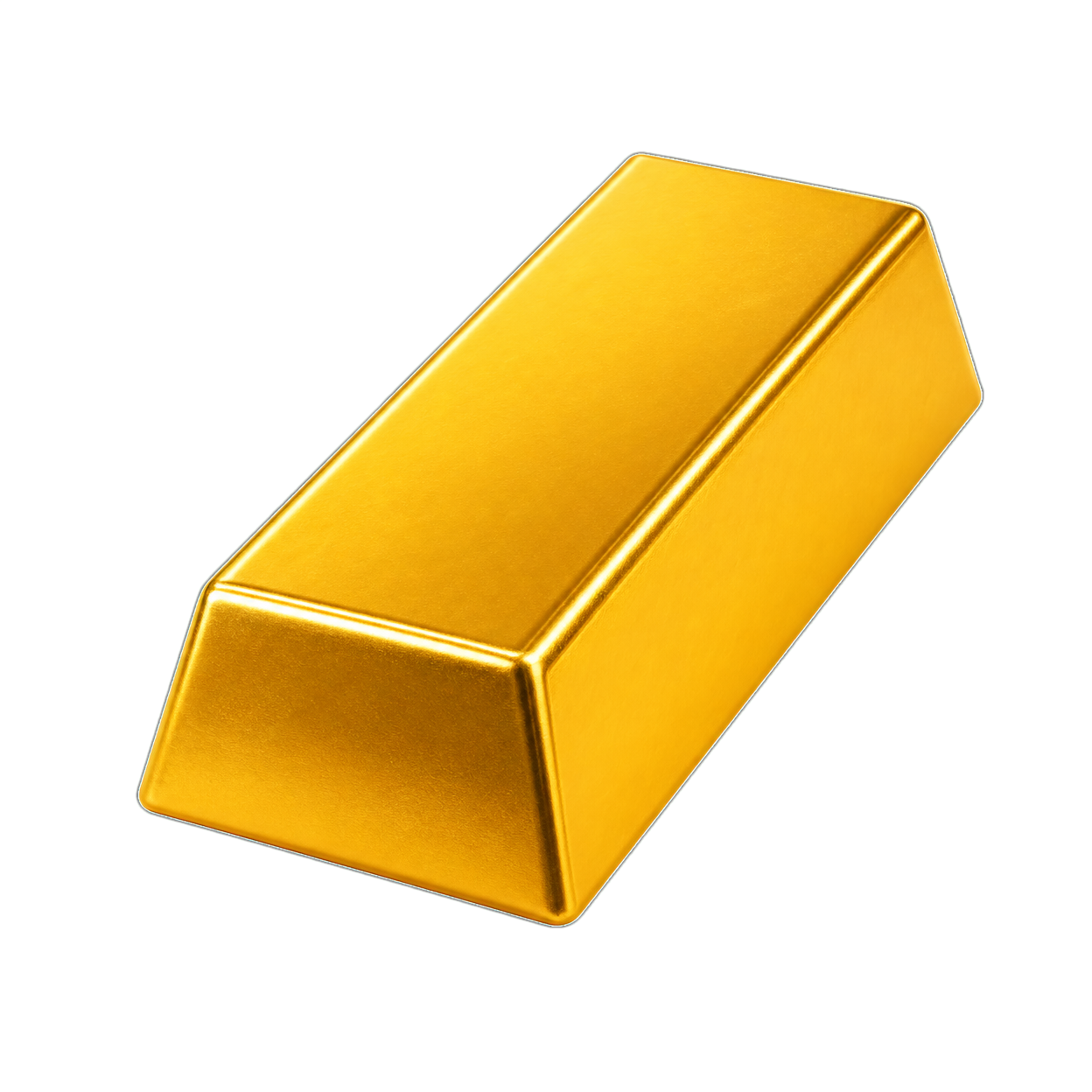
Understanding Gold Weights
Gold is measured in troy ounces, grams, and kilograms. One troy ounce equals 31.1035 grams, about ten percent more than the standard avoirdupois ounce used for food and shipping. One kilogram equals 32.1507 troy ounces. Bars range from one gram up to 400 troy ounces, the institutional London Good Delivery size, with smaller bars and coins carrying higher per-ounce premiums.
The troy ounce
The troy ounce is the standard weight for precious metals. One troy ounce equals 31.1035 grams. This is heavier than the avoirdupois ounce, the unit used in U.S. supermarkets, which is 28.3495 grams.
The difference is not small. A troy ounce is roughly ten percent heavier than a regular ounce. When a price quote refers to "an ounce of gold," it almost always means a troy ounce, but the distinction is worth confirming when looking at unfamiliar listings.
The system takes its name from the medieval French city of Troyes, which was a major trading center. The troy weight system was adopted in England in the early 1400s for use with precious metals, and it has persisted in that role ever since.
Grams and kilos
Outside the United States and the United Kingdom, gold is most often quoted per gram or per kilogram. Indian and Chinese retail markets, in particular, work in grams.
One kilogram equals 32.1507 troy ounces. This is the basis for the kilo bar, one of the most common large-bar formats in international trade.
Common bar sizes
Bullion bars come in a range of standardized weights. Smaller bars carry a higher premium per ounce because the cost of producing them is spread across less metal.
The smallest mainstream bar weighs one gram, about a third of a tenth of an ounce. Five-gram bars are a common gift size, and the one troy ounce bar (31.1 grams) is the most-traded retail format. Ten-ounce bars (311 grams) sit in the middle of the range. The one-kilo bar, equal to 32.15 troy ounces, is the standard Asian institutional size. The 100-troy-ounce bar (3.11 kilograms) is the COMEX delivery bar, and the 400-troy-ounce bar (12.4 kilograms) is the London Good Delivery institutional standard.
The 400-ounce Good Delivery bar is the institutional unit. Central banks and bullion vaults move gold mostly in this form, and the LBMA maintains strict specifications for refiners that produce them. For more on how these bars actually change hands, see how gold is traded.
Coin weights and purity
Sovereign-mint coins are produced to standard specifications. The American Gold Eagle, for example, is minted in one-ounce, half-ounce, quarter-ounce, and tenth-ounce sizes. The Canadian Maple Leaf is produced in similar denominations and is notable for being four-nines pure (99.99%), while the Eagle is 91.67% pure gold (the rest is silver and copper, for durability).
The actual gold content matters more than the headline weight when comparing coins. A one-ounce Eagle and a one-ounce Maple Leaf both contain one troy ounce of pure gold, but the Eagle weighs slightly more in total because of the alloy.
Conversions to remember
For quick mental math, one troy ounce equals 31.1 grams, one kilo equals 32.15 troy ounces, and one troy ounce equals 1.097 avoirdupois ounces.
To convert a per-ounce price to per-gram, divide by 31.1035. To convert to per-kilo, multiply by 32.1507.
Why gold still uses troy
The avoirdupois system became standard for general weight in England in 1959, but the troy system was kept for precious metals because of established trade practice, contract obligations, and the long history of pricing in those units. Changing the weight standard would have required renegotiating decades of contracts, which no one had any incentive to do.
The result is a market where buyers in New York, London, Shanghai, and Mumbai all reference the same troy ounce, even when their local retail conversations happen in grams. Understanding both units is the first practical step toward navigating the market.
Common questions
Is a troy ounce the same as a regular ounce?
No. One troy ounce equals 31.1035 grams, while a standard avoirdupois ounce (the unit used for food and shipping) equals 28.3495 grams. A troy ounce is about ten percent heavier than a regular ounce.
Why does gold use troy weight?
The troy system was adopted in England in the early 1400s for use with precious metals and persisted because of established trade practice and contract obligations. Changing the standard would have required renegotiating decades of contracts, which no one had any incentive to do.
What is the standard institutional gold bar?
The London Good Delivery bar weighs 400 troy ounces, or about 12.4 kilograms. Central banks and bullion vaults move gold mostly in this form, and the LBMA maintains strict specifications for the refiners that produce them.
Sources
- National Institute of Standards and Technology, official U.S. weight and measure standards
- London Bullion Market Association, Good Delivery bar specifications
- U.S. Mint, American Gold Eagle and American Buffalo specifications
- Royal Canadian Mint, Maple Leaf coin specifications
- World Gold Council, gold bar and coin standards